
Things Homeowners Regret Forgetting During House Planning
Building a dream home is one of the most exciting milestones in life. From choosing layouts and finishes to imagining future family moments inside the space, the process feels rewarding and fulfilling. But once the home is finally lived in, many homeowners begin noticing small design oversights that slowly turn into everyday frustrations.
The truth is, great home design is not only about visual appeal. A beautiful house must also function comfortably, efficiently, and safely for daily living—especially in a tropical country like the Philippines where climate, lifestyle, and long-term practicality play a huge role in how a home performs over time.
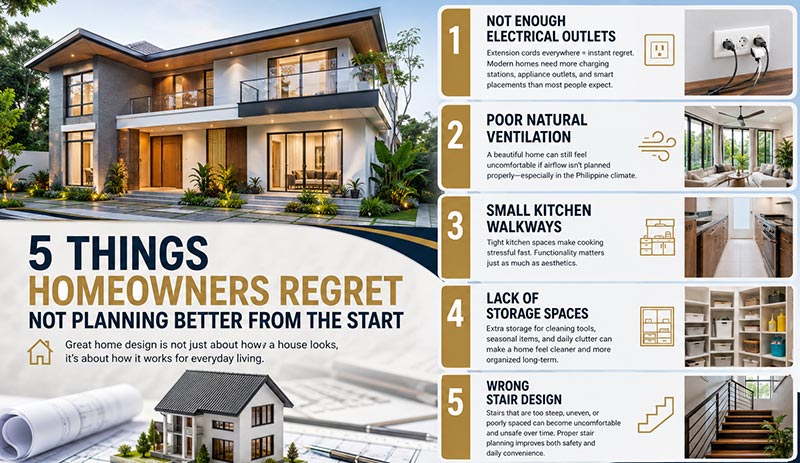
Here are five common things many homeowners wish they planned better from the very beginning.
1. Not Enough Electrical Outlets
One of the most common homeowner regrets is the lack of properly placed electrical outlets. During the planning stage, many people underestimate how many devices and appliances modern households actually use daily.
As families settle into their homes, extension cords and power strips suddenly appear everywhere—near beds, kitchen counters, entertainment areas, and workspaces. Not only does this create visual clutter, but it can also become inconvenient and even unsafe over time.
Today’s homes require more charging stations, appliance outlets, and strategically located power sources than ever before. Smart TVs, gaming consoles, laptops, kitchen equipment, routers, security systems, and work-from-home setups all demand proper electrical planning.
A well-designed home anticipates future needs by incorporating:
- Convenient bedside outlets
- Kitchen appliance stations
- Hidden charging areas
- Outdoor electrical access
- Smart home system provisions
- Dedicated work-from-home power layouts
Proper electrical planning improves both convenience and long-term functionality.
2. Poor Natural Ventilation
A visually stunning home can still feel uncomfortable if airflow is poorly planned. In the Philippine climate, proper ventilation is essential for maintaining indoor comfort, reducing humidity, and improving overall air quality.
Without good cross-ventilation, rooms can feel hot, stuffy, and humid even when windows are open. This often leads to heavier reliance on air conditioning, resulting in higher electricity costs and less energy efficiency.
Architectural planning should carefully consider:
- Window placement
- Room orientation
- Ceiling heights
- Airflow pathways
- Sun exposure
- Roof ventilation systems
Homes designed with proper natural ventilation feel fresher, cooler, and more comfortable throughout the day. Good airflow also helps reduce moisture buildup that can eventually contribute to mold growth and indoor discomfort.
In tropical home design, ventilation should never be treated as an afterthought—it should be part of the core design strategy.
3. Small Kitchen Walkways
The kitchen is one of the busiest areas of any home. While many homeowners focus heavily on countertops, cabinets, and aesthetics, they sometimes overlook the importance of movement and spacing.
Tight kitchen walkways may seem manageable during the design stage, but daily cooking quickly reveals how stressful cramped spaces can become. Limited movement affects comfort, efficiency, and overall workflow—especially when multiple people use the kitchen at the same time.
Functional kitchen planning considers:
- Comfortable walkway clearances
- Efficient appliance placement
- Proper work triangle spacing
- Storage accessibility
- Smooth traffic flow
A kitchen should allow homeowners to move naturally and comfortably without constantly bumping into cabinets, counters, or appliances.
Beautiful kitchens are important—but functional kitchens create a better daily living experience.
4. Lack of Storage Spaces
Another major regret among homeowners is insufficient storage. At first, a home may feel spacious and uncluttered, but over time, belongings naturally accumulate.
Without enough built-in storage, everyday items begin occupying visible spaces such as countertops, hallways, spare rooms, and garage areas. This can make even a well-designed home feel crowded and disorganized.
Proper home planning includes intentional storage solutions for:
- Cleaning supplies
- Seasonal decorations
- Tools and maintenance equipment
- Linen and household essentials
- Pantry overflow
- Daily-use items
- Future family needs
Well-planned storage helps maintain cleanliness, organization, and visual balance throughout the home. It also improves long-term functionality as the household grows and lifestyle needs evolve.
Smart storage design is one of the hidden factors that make homes feel more relaxing and efficient.
5. Wrong Stair Design
Stair design is often overlooked until homeowners begin using the stairs every single day. Poorly designed stairs can quickly become uncomfortable, inconvenient, and potentially unsafe over time.
Stairs that are too steep, uneven, too narrow, or improperly spaced increase the risk of tripping, missed footing, and difficulty during daily movement—especially for children, elderly family members, and individuals carrying heavy items.
Proper stair planning involves careful attention to:
- Step height consistency
- Tread depth
- Comfortable slope angles
- Landing spaces
- Handrail positioning
- Headroom clearance
- Safety standards and building codes
A properly designed staircase improves both safety and comfort while also contributing to the overall flow and appearance of the home.
Good stair design is not just about aesthetics—it directly affects how safely and comfortably people move through a space every day.
Great Homes Are Designed for Real Life
Many homeowner regrets come from details that seemed small during planning but became major inconveniences after moving in. That’s why thoughtful architectural planning matters from the very beginning.
A well-designed home should not only look beautiful in photos—it should support comfort, safety, efficiency, and everyday living for many years to come.
At AB-Archi Designs, we believe every space should be carefully planned around how homeowners truly live. From functionality and comfort to future-ready design solutions, smart planning helps turn dream homes into practical and lasting investments.
Need help designing a functional and future-ready home? Contact us today and let’s build a home that works beautifully for your lifestyle. ✨
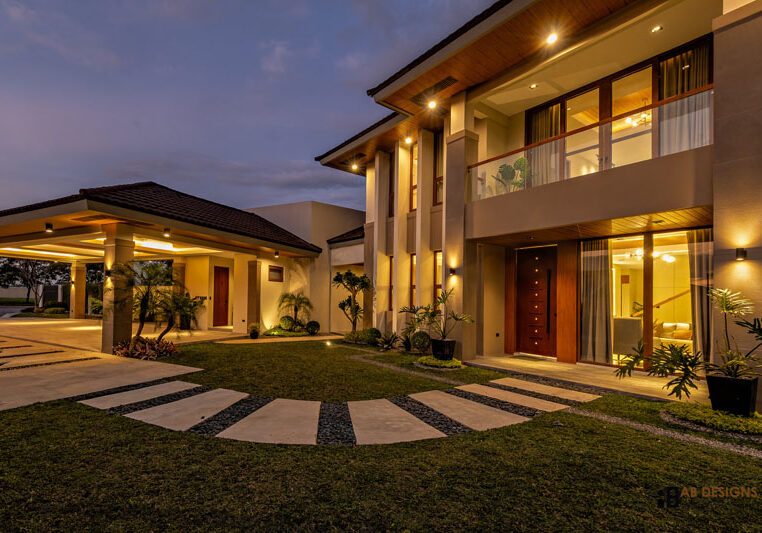
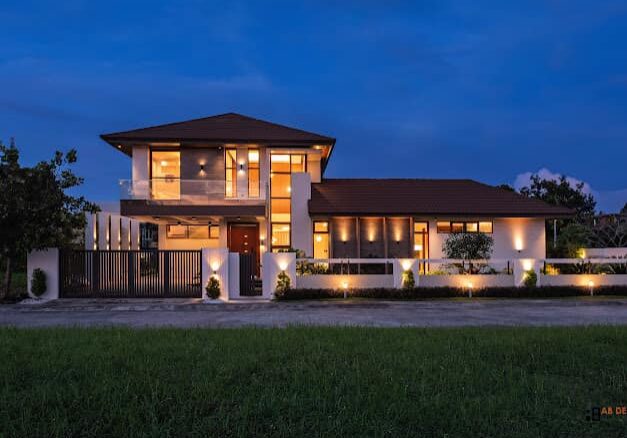
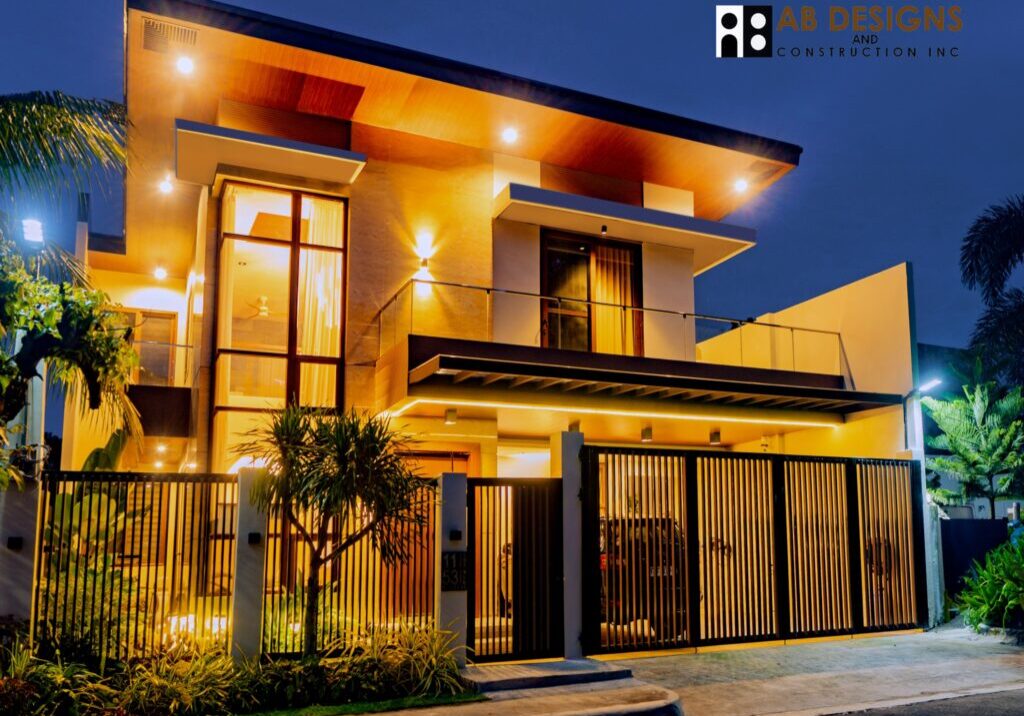
OUR PROJECTS
Get Your Custom Quote
Answer a few questions about your project and we'll provide you with a detailed quote.
What type of project are you planning?
New Home Construction
Build a custom home from the ground up
Home Renovation
Remodel or renovate existing space
Home Addition
Add rooms or expand existing space
Commercial Project
Office, retail, or industrial construction
What size project are you planning?
Timeline and Budget
Project Location & Preferences
Contact Information
Submitting your quote request...
Quote Request Submitted Successfully!
Thank you for your interest! We'll review your request and will get back to you as soon as possible. Also, a copy of the inquiry was sent to your email.
AB Architectural Designs Co. Bacolod City
Contact Numbers:
+63 34 4337933
Arch. Rolem L. Basiya
09985800955
Arch. Roberto T. Aguillon
09176257225
Email:
abarchidesigns@gmail.com
info@ab-archidesigns.com
AB Architectural Designs Co. Iloilo City
Blk 38 Lot 18& 20
Ana Ros Village, Mandurriao
Iloilo City
Contact Numbers:
+63 9985800955 / +639176257225
Email:
abarchidesigns@gmail.com
info@ab-archidesigns.com